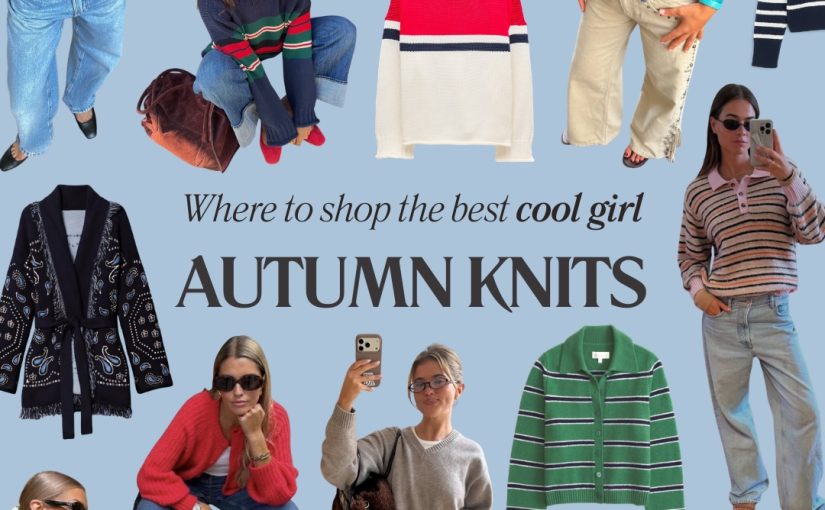
Autumn Knitwear with Character: Stripes, Color, and Easy Proportions

A good knit can give familiar jeans an entirely different mood. This collage brings together burgundy cardigans, striped pullovers, an argyle sleeve, and soft blue layers, all grounded by relaxed denim. The appeal comes from the range of personalities within an everyday category. Some sweaters feel sporty, others a little nostalgic, while a simple gray crewneck creates a quieter pause between the stronger colors.

Start with proportion. A cardigan that finishes near the waistband works well with straight or gently flared jeans because the waist remains visible. A roomier pullover can sit over darker trousers for a softer outline. The short sleeves and close neckline of the taupe buttoned knit offer another option: enough structure to feel considered, with an easy shape that still belongs in a casual wardrobe.

Stripes provide a useful way to introduce color without building an outfit around several competing pieces. Red, cream, and navy make a clear focal point, while green and navy feel more subdued. Pull one shade from the sweater into a shoe or bag, then let the remaining pieces stay simple. Burgundy accessories can also connect a bright red cardigan to blue denim without matching it exactly.

For an everyday version, try a patterned knit, jeans with a clean hem, and a compact shoulder bag. Switch to tailored pants when the day calls for a more polished finish. These combinations suit coffee stops, an informal office, or a weekend lunch. The common thread is a sweater that brings the interest, leaving the rest of the outfit comfortable and uncomplicated.
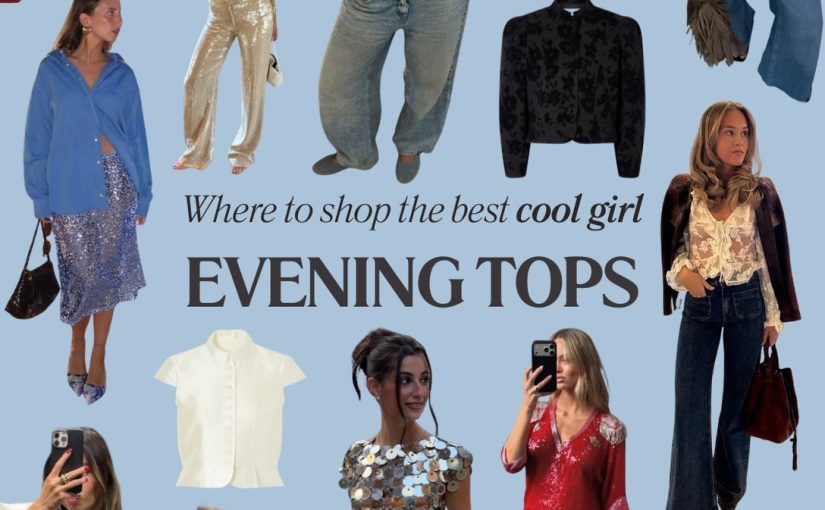
Evening Tops and Everyday Denim: Finding a Comfortable Balance

An evening outfit does not always need a complete change of wardrobe. Here, lace camisoles, shimmering surfaces, sheer details, and a crisp white blouse appear alongside familiar jeans. That mix is what gives the collage its relaxed energy. One expressive top sets the mood, while a practical bottom keeps the overall look from feeling overly arranged. The contrast works particularly well when the individual shapes remain clear.

Lace introduces detail through edges and transparency. A burgundy trimmed camisole can sit against light denim, allowing the neckline to become the focal point. An ivory lace blouse brings a softer contrast to darker jeans. Coverage is a personal choice: add a simple layer underneath or a jacket over the shoulders according to the setting and your comfort. The styling should support the person wearing it.

Shine calls for a slightly different balance. A top covered in reflective discs already has movement and texture, so a plain waistband and an uncomplicated bag give it breathing room. The same principle applies to sequins or glossy fabric. A striped shirt under a dark jacket offers a quieter evening option, especially when worn with an open neckline and a small piece of jewelry.

Before heading out, consider the outline from shoulder to hem. A close fitting top can work with looser jeans, while a roomy blouse benefits from a partial tuck or a more defined bottom. Choose shoes for the actual plan, whether that means flats for dinner nearby or a modest heel for a longer evening. A single change in texture can carry everyday denim into a different setting.

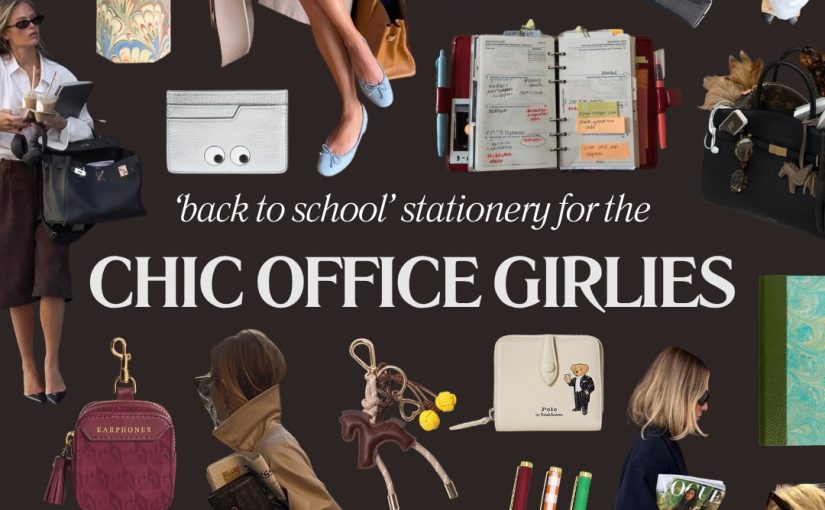
A Considered Workday: Stationery and Small Accessories with Personality

Personal style often extends beyond clothes into the objects carried through a workday. This collage places planners, notebooks, pencil cases, cardholders, and small charms beside tailored coats and roomy bags. The connection is less about a perfectly coordinated collection than a recognizable mood. Burgundy, warm brown, soft pink, and small graphic details give practical items a sense of personality without taking away their everyday purpose.

Start with the pieces that support your actual routine. A notebook is useful only if its size and layout suit the way you take notes. A pencil case should hold the tools you reach for, and a cardholder needs to fit comfortably where you carry it. Choosing those functions first makes it easier to enjoy a decorative finish without adding objects that simply create more clutter.

Color can tie a few items together while leaving space for variation. A burgundy organizer and a brown bag share warmth, while a striped pen or illustrated notebook adds a lighter note. Texture offers another connection: a smooth cover beside a subtly grained case feels different from a group of glossy surfaces. Small playful details work particularly well when the larger pieces remain simple.

The same balance applies to what you wear. A clean lined coat, comfortable flats, and a bag with enough room for the day’s essentials provide an easy frame for more expressive accessories. Keep heavier objects close to the center of the bag and separate anything that might spill or scratch. A considered workday collection should be pleasant to use as well as appealing to look at, whether you work in an office, at home, or between appointments.

Statement Outerwear: Making Pattern and Texture Work for Every Day

Outerwear can carry an outfit before any smaller detail comes into view. This collage moves between zebra stripes, broad checks, tapestry like patterns, plush collars, and a long brown coat with substantial fastenings. The variety is striking, yet many of the looks rely on the same foundation: blue jeans, a straightforward top, and a familiar pair of shoes. A distinctive coat gives those basics a different identity.

Choose the feature you want to emphasize. A bold black and white pattern already provides contrast, so a neutral shirt and plain denim can be enough underneath. A colorful coat may feel more cohesive when one of its quieter shades appears in the pants or bag. With a large collar or textured trim, keeping the neckline underneath simple gives the shape room to stand out.

Length and volume matter as much as surface detail. A long coat can create an uninterrupted line over wide jeans, while a shorter, fuller jacket often works well when the waist or the top of the pants remains visible. Before deciding on a combination, try it both open and fastened. The same piece can look relaxed in one arrangement and much more structured in the other.

An expressive coat should also suit the day ahead. Consider the forecast, freedom of movement, and whether there is enough room for your usual layers. The image alone cannot establish a garment’s warmth or fiber content, so check those details separately when choosing a piece. For everyday dressing, begin with an outfit you already enjoy, then add one outer layer that changes its mood through color, pattern, or texture.

Skirts with Movement: Plaid, Lace, and the Shape of a Layered Look

The skirts in this collage bring movement and surface detail into familiar layers. Plaid appears in both a full, flowing shape and a straighter silhouette, while lace hems, dotted fabric, and scarf inspired panels offer softer alternatives. Leather jackets, roomy sweaters, and simple tops keep the combinations grounded. Each outfit gives the skirt a clear role without making every surrounding piece equally busy.

Length changes the balance of the look. A longer plaid skirt creates a continuous line that pairs naturally with boots and a relatively simple top. A shorter skirt leaves more of the leg visible, so a generous sweater or jacket can add weight above the waist. Neither approach needs strict rules, but it helps to consider where the skirt ends and how much visual space the shoes occupy beneath it.

Texture can be just as expressive as print. A lace edged skirt under a gray sweater combines a delicate hem with a substantial knit. A leather jacket adds a firmer surface to the same idea. For a patterned scarf style skirt, choose one color from the fabric and repeat it in the top or bag. This creates a connection without turning the outfit into a matching set.

Keep the practical details in mind when trying a new silhouette. Walk, sit, and check that the hem moves comfortably with your shoes. Tall boots can provide a continuous base beneath a midi length, while a compact flat keeps a shorter skirt feeling easy. These combinations work for a lunch plan, a gallery visit, or a casual evening, with the skirt supplying the main point of interest.

The Loafer Edit: Small Shoe Details That Change Everyday Denim

Loafers sit comfortably between relaxed and dressed up, which makes them especially useful with jeans. In this collage, polished black pairs share space with burgundy leather, deep green, animal prints, and softer brown silhouettes. The outfits around them show how much a shoe can change the same basic formula. Wide denim and an oversized coat feel sharper with a sleek loafer; a textured jacket feels more playful with a patterned pair.

The first decision is the outline of the shoe. A slim sole keeps the foot visually light beneath cropped jeans or a long coat. A more substantial sole can balance a wider pant leg, although it helps to leave the hem clear of the ground. Hardware adds another point of emphasis. A small metal detail can echo a belt buckle or simple jewelry without requiring an otherwise formal outfit.

Color offers an equally practical styling tool. Burgundy brings warmth to blue denim and cream layers, while dark green works naturally with navy and brown. Leopard or cow print can act as the single patterned element in an otherwise quiet look. When combining a printed shoe with a textured coat, keep the shirt and pants straightforward so the details have room to read.

Socks change the finish, too. A visible light sock creates contrast with black leather, while a darker one produces a more continuous line. Comfort and fit should guide the choice as much as appearance, especially for a day spent walking. Pair your preferred loafers with jeans, a simple top, and a coat already in your rotation. The result feels deliberate while remaining easy enough for ordinary plans.